-
 Why Industrial Cooling Fans Matter for Equipment Heat Management
Oct 26 , 2026
1. Introduction: Why Industrial Cooling Fans Matter for Equipment Heat Management Industrial equipment is becoming increasingly compact, powerful, and intelligent. From automated production lines and electrical control cabinets to communication systems, medical equipment, and commercial appliances, modern machines often integrate more electronic components into limited spaces. Although this develo...
Read More
-
 How Can B2B Buyers Evaluate the Internal Testing Lab of an Air Ventilation Fan Supplier?
Oct 28 , 2026
1. Introduction: Why an Internal Testing Lab Matters in B2B Fan Procurement Selecting an air ventilation fan supplier involves much more than comparing unit prices, product dimensions, rated voltage, and delivery schedules. For B2B buyers, distributors, equipment manufacturers, HVAC integrators, and OEM purchasing teams, the supplier's ability to maintain consistent product quality is often more i...
Read More
-
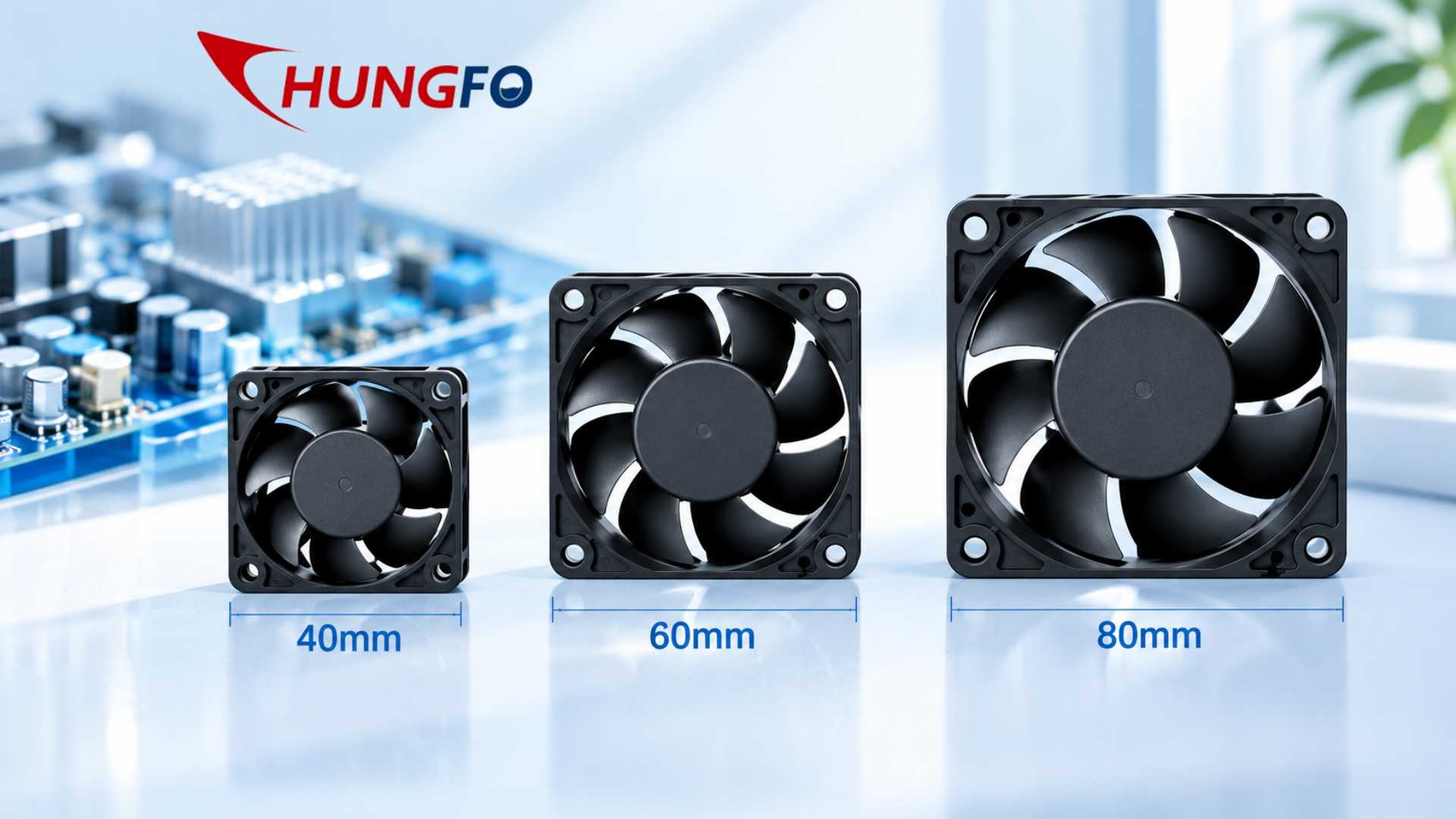 What Is a 40mm 60mm 80mm Fan Size Guide for Electronics Cooling?
Oct 30 , 2026
1. Introduction: Why Fan Size Matters in Electronics Cooling Electronic equipment is becoming increasingly compact while its processing power, electrical density, and operating demands continue to increase. From communication devices and power supplies to industrial controllers, medical equipment, embedded systems, and household appliances, effective thermal management has become an essential part...
Read More
-
 What Is an IP Rated Cooling Fan and Which Rating Do You Need: IP55 vs IP67?
Nov 02 , 2026
1. Introduction: Why IP Ratings Matter When Choosing a Cooling Fan Cooling fans are essential components in modern electronic equipment, industrial machinery, communication systems, automotive electronics, outdoor electrical enclosures, and household appliances. Their primary function is to remove excess heat, maintain stable operating temperatures, and prevent electronic components from overheati...
Read More
-
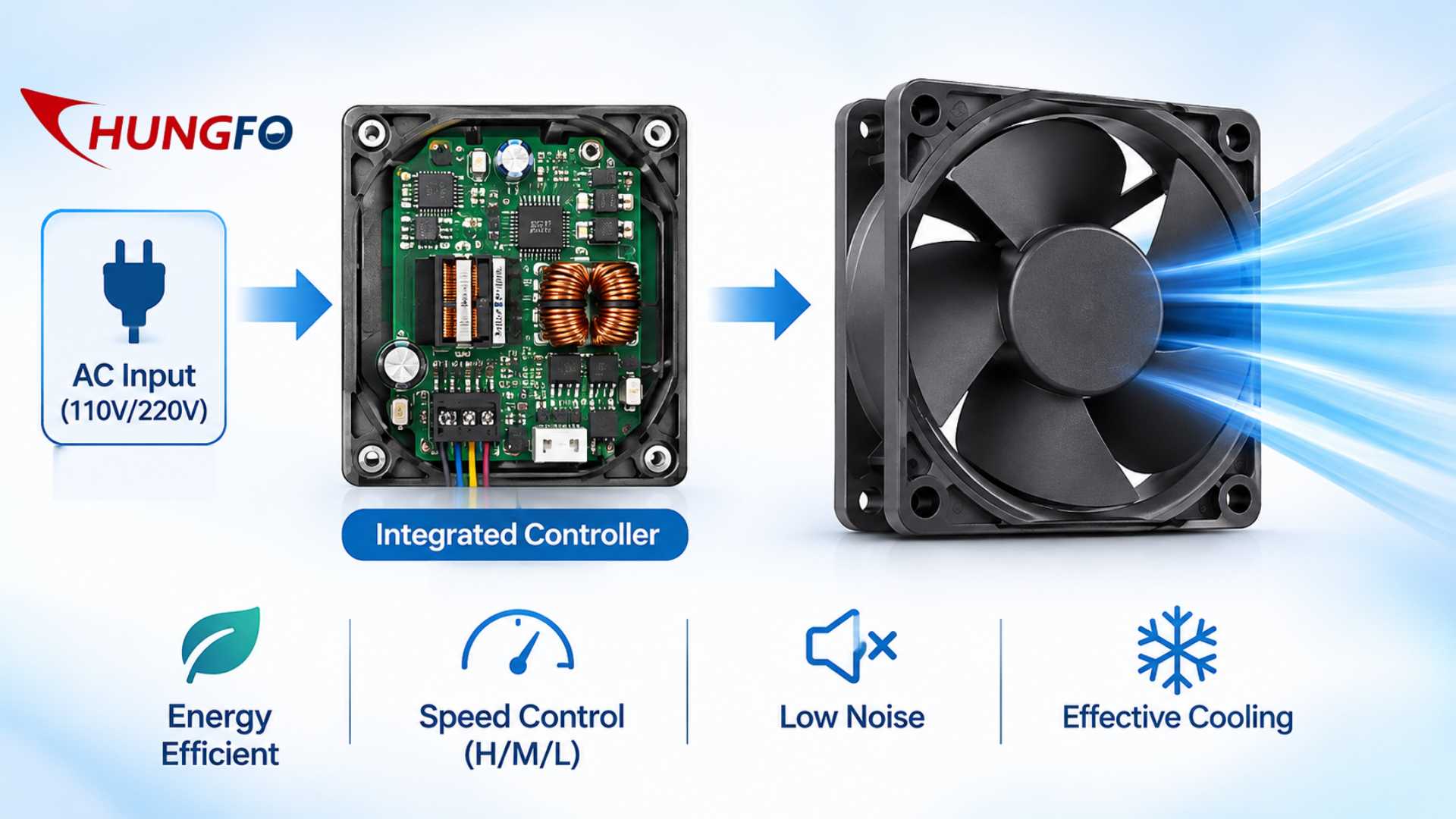 EC Fan vs DC Fan: Understanding Energy-Efficient Cooling Solutions
Nov 06 , 2026
Quick Answer: What Is the Difference Between EC Fans and DC Fans? EC fans and DC fans are both widely used in modern cooling and ventilation systems, but they differ in their power input, motor control architecture, electronic integration and installation requirements. A conventional brushless DC fan operates with a direct-current power supply, such as 5V, 12V, 24V or 48V DC. It uses electronic co...
Read More
-
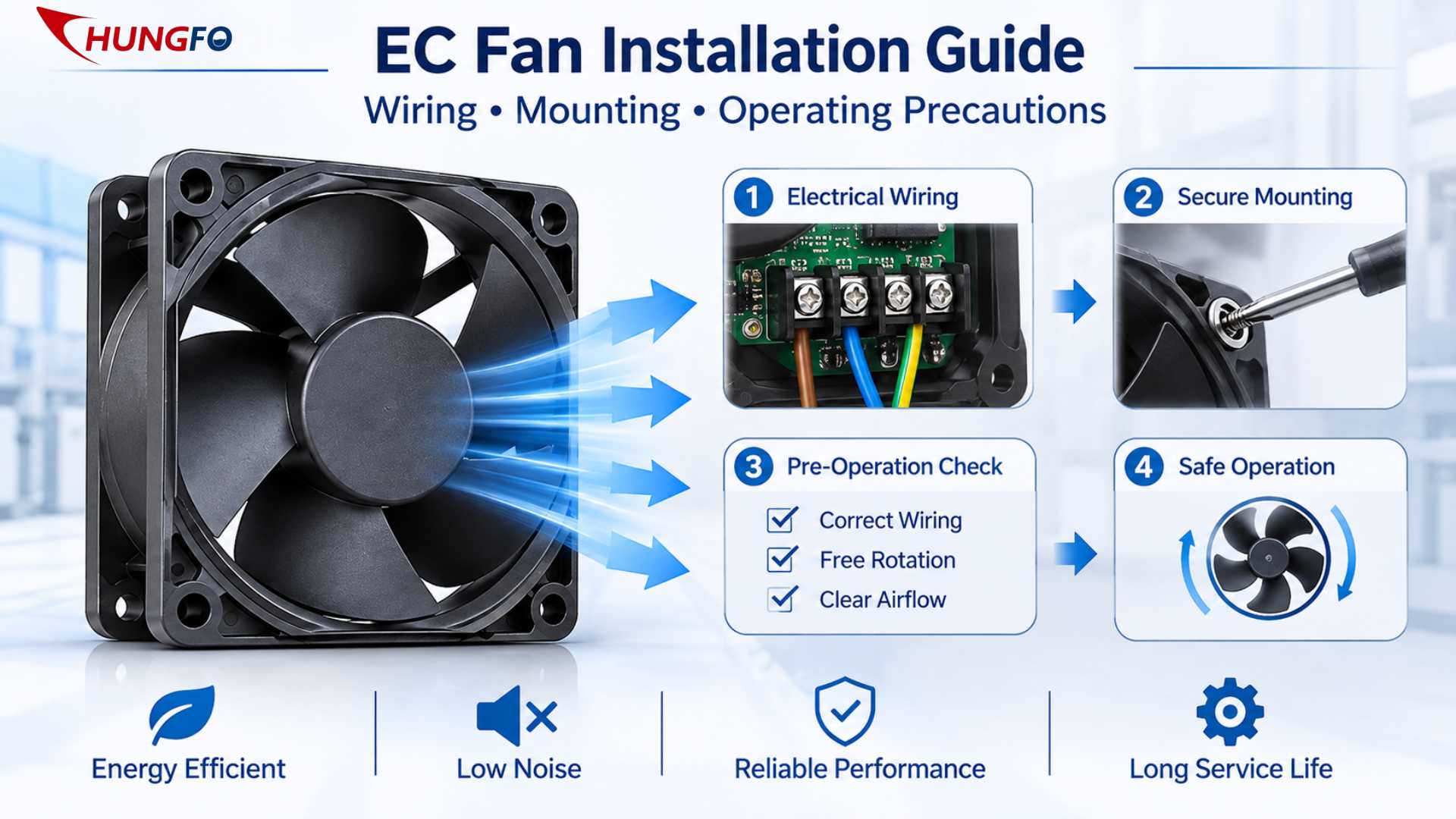 EC Fan Installation Guide: Wiring, Mounting, and Operating Precautions
Nov 09 , 2026
Meta Description: Learn how to install an EC fan correctly, including electrical wiring, mounting requirements, control connections, commissioning checks, and operating precautions. 1. Introduction Electronically commutated (EC) fans are widely used in ventilation equipment, commercial refrigeration, air handling units, air purification systems, industrial machinery, and other applications that re...
Read More
-
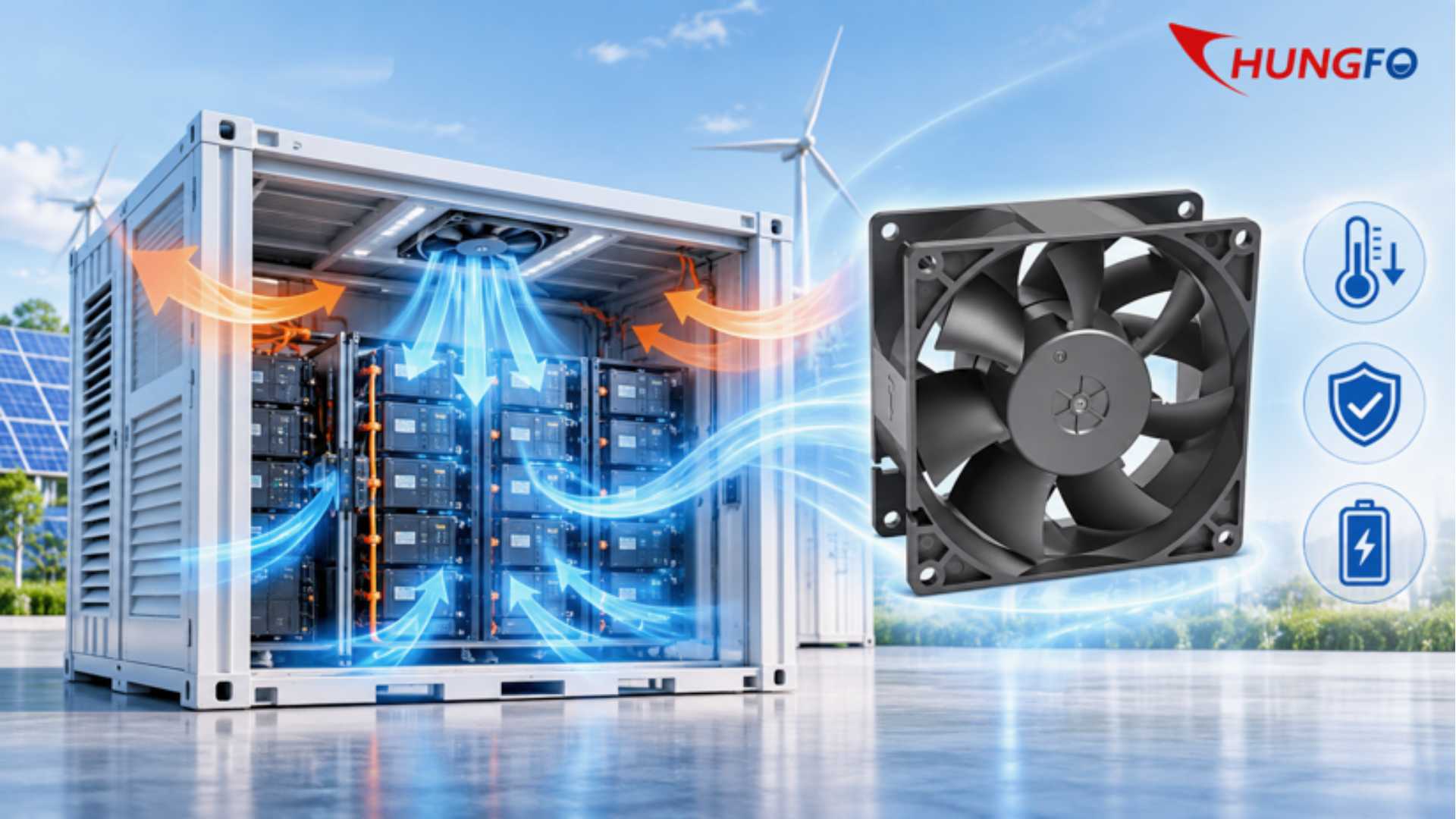 How Do EC Fans Improve Thermal Management in Battery Energy Storage Systems?
Nov 11 , 2026
Quick Answer EC fans improve thermal management in Battery Energy Storage Systems (BESS) by providing efficient, controllable, and reliable airflow for battery enclosures, electrical compartments, power conversion systems, and air-cooled heat exchangers. Their electronically commutated motors combine efficient motor operation with flexible speed control, allowing cooling output to respond to chang...
Read More
-
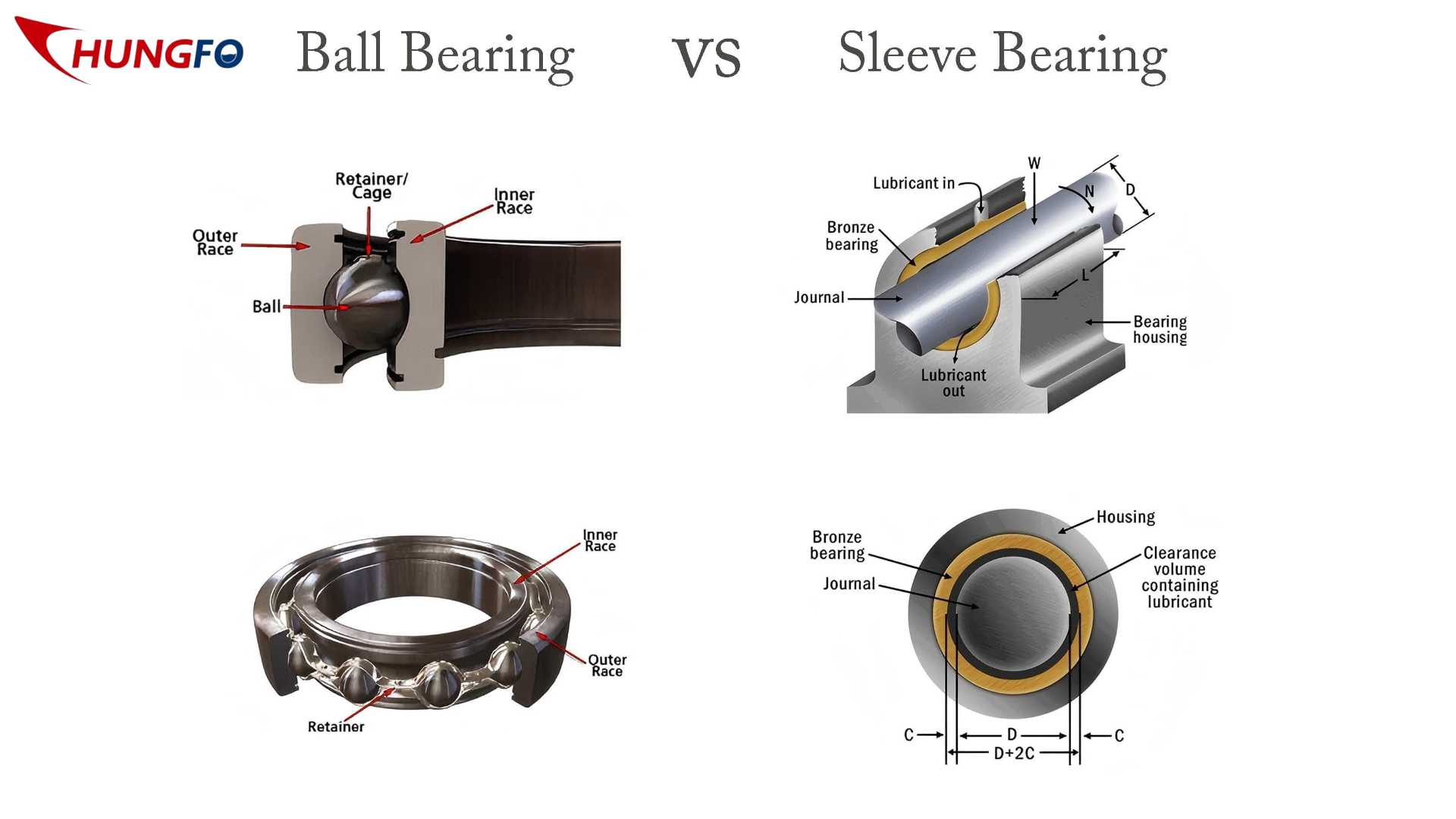 Sleeve Bearing vs. Ball Bearing Fans: Which Lasts Longer and Why?
Nov 16 , 2026
Introduction When selecting a cooling fan for industrial equipment, electronic devices, household appliances, or ventilation systems, buyers often focus on specifications such as airflow, static pressure, rotational speed, operating voltage, and power consumption. However, another important factor can significantly influence the long-term reliability of a cooling fan: its bearing system. The beari...
Read More
-
 Why Your Power Supply Keeps Overheating and How the Right Fan Fixes It
Nov 23 , 2026
A power supply is one of the most important components in electrical and electronic equipment. Whether it is installed in an industrial control cabinet, server, communication system, battery energy storage device, or household appliance, its primary function is to convert electrical energy into a stable output suitable for connected equipment. During this conversion process, however, not all elect...
Read More